The first multimedia device in the form of an interactive theater experience was invented in 1957, according to the Virtual Reality Society. In 1968, a head-mounted display attached to a computer was introduced that enabled the wearer to see a virtual world. However, it was extremely heavy and had to be attached to a suspension device to help support its immense weight. Over the past few years, a new wave of interest in Virtual Reality (VR) has formed. It began with the design of the first prototype of the Oculus Rift in 2010, followed by next-gen video game developer Valve’s introduction of low-persistence displays in 2013. In recent years, advancements in the field have pushed VR even further. By wearing a VR headset and holding two free controllers, artists have begun to digitally paint, sculpt, and illustrate in Virtual Reality. Because of this seemingly endless potential, VR art has become a rising art movement that more and more artists are beginning to gravitate to. With its immersive and limitless possibilities, VR art has the potential to change the trajectory of the contemporary digital arts.
By wearing the headset, viewers don’t just see artists’ creations, but can walk and navigate through them. VR systems are an ideal platform for exploring spatial effects because of their ability to combine stereo imaging techniques and interactive real-time graphics. They allow the creation of artworks that both exhibit a dynamic organization of an environment’s spatial depth and create an interaction with the stereoscopic optic flow. Due to this effect, VR allows for a new kind of immersion into art, and the space created by the art. much like installation art, VR art has the potential to enhance or augment a space, turning the experience from viewing art to interacting with art. Virtual Reality art removes the viewer from their reality and places them into the artists intended vision, resulting in a powerful artistic tool with endless applications.
With the seemingly limitless possibilities of VR technology, it’s likely that it will have a large influence on contemporary art. With the increasing integration of digital distractions in modern culture, VR is the next step in escaping reality. Video games, movies, and other screen generated distractions can be enhanced by VR technology. By artists entering this format, the window has been opened for a new contemporary art movement that caters to an already existing culture of distractions. Art has always been a distraction from reality, but with new technological advancements, art is taking distraction to new highest by becoming an escape from reality.
“We must expect great innovations to transform the entire technique of the arts, thereby affecting artistic invention itself and perhaps even bringing about an amazing change in our very notion of art,” stated by Paul Valéry. VR has the potential to change the course of contemporary art. With its immersive qualities that allow the viewer an escape from reality, VR caters to the current digital culture. With the current innovation in the field, VR may become the next pivotal movement in the contemporary arts.
Header image:
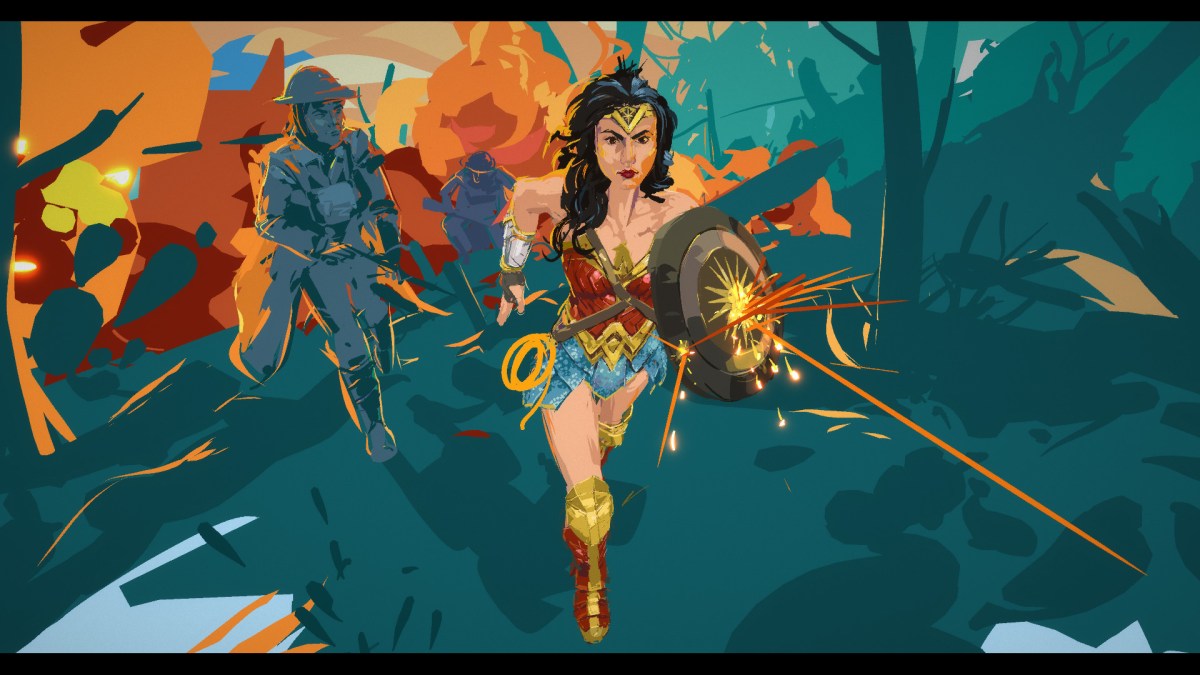
Elizabeth Edwards, Art of Wonder – 360 Video: Tilt Brush. Photo by Elizabeth Edwards
Sources
- Benjamin, Walter, The Work of Art in the Age of Mechanical Reproduction. (Schocken Books), Published, 1969, Accessed, April 10, 2019, Page 1, 58, http://web.mit.edu/allanmc/www/benjamin.pdf
- Bushey, Ryan, Advancements in virtual reality device development, (Scientific Computing), Published, Sep 11, 2017, Accessed, April 10, 2019, https://search.proquest.com/docview/1940348864?accountid=27112&rfr_id=info%3Axri%2Fsid%3Aprimo
- Simo, Agueda, Evolving from a Flat Land into a Three-Dimensional World, (The Virtual Reality Art Installation Endocytosis), April 10, 2019, http://eds.a.ebscohost.com/ehost/pdfviewer/pdfviewer?vid=1&sid=9dac90bb-a8e4-49c7-8d71-20bfdfc922d5%40sessionmgr4008
 Issues in Contemporary Art