The Fragmented Portrait

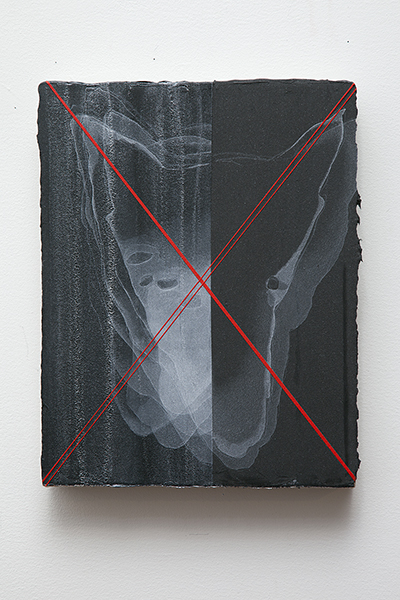
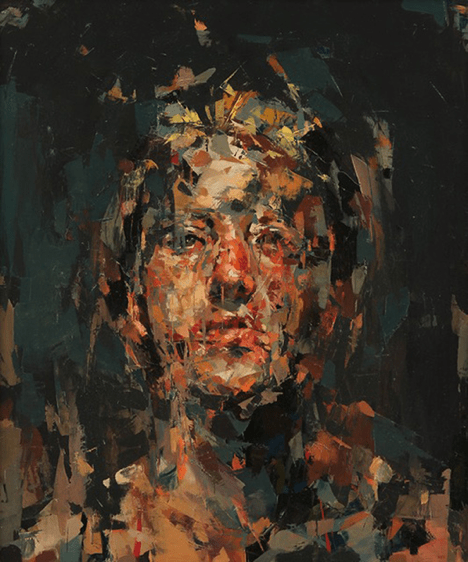
The Fragmented Portrait is a digital exhibition composed of large scale oil paintings that capture and express the ever-changing fragments that accumulate and compose an individual’s identity and personality. The term fragmented has been selected to express the symbolic pieces we carry and accumulate as we age. From birth, we are subjected to influential factors that shape and define who we are today, with works from Kai Samuels-Davis, Ann Gale, and Andrew Salgado, this theme is portrayed through their unique artistic perspectives and concepts. They depict the common man, woman, and minority groups through styles reminiscent of Abstraction, Impressionism, and Expressionism. Each artist contributes two works of art, creating a six-piece collection that uncovers and visualizes how one can be shaped by time, emotion and events. By documenting the accumulations of fragments one gathers throughout their lives, rather than recording one’s solid appearance, The Fragmented Portrait exhibits the multitudes of perceptions, psychology, and emotions of the human race. Continue reading →

Ordinary Moments Represent Extraordinary Change

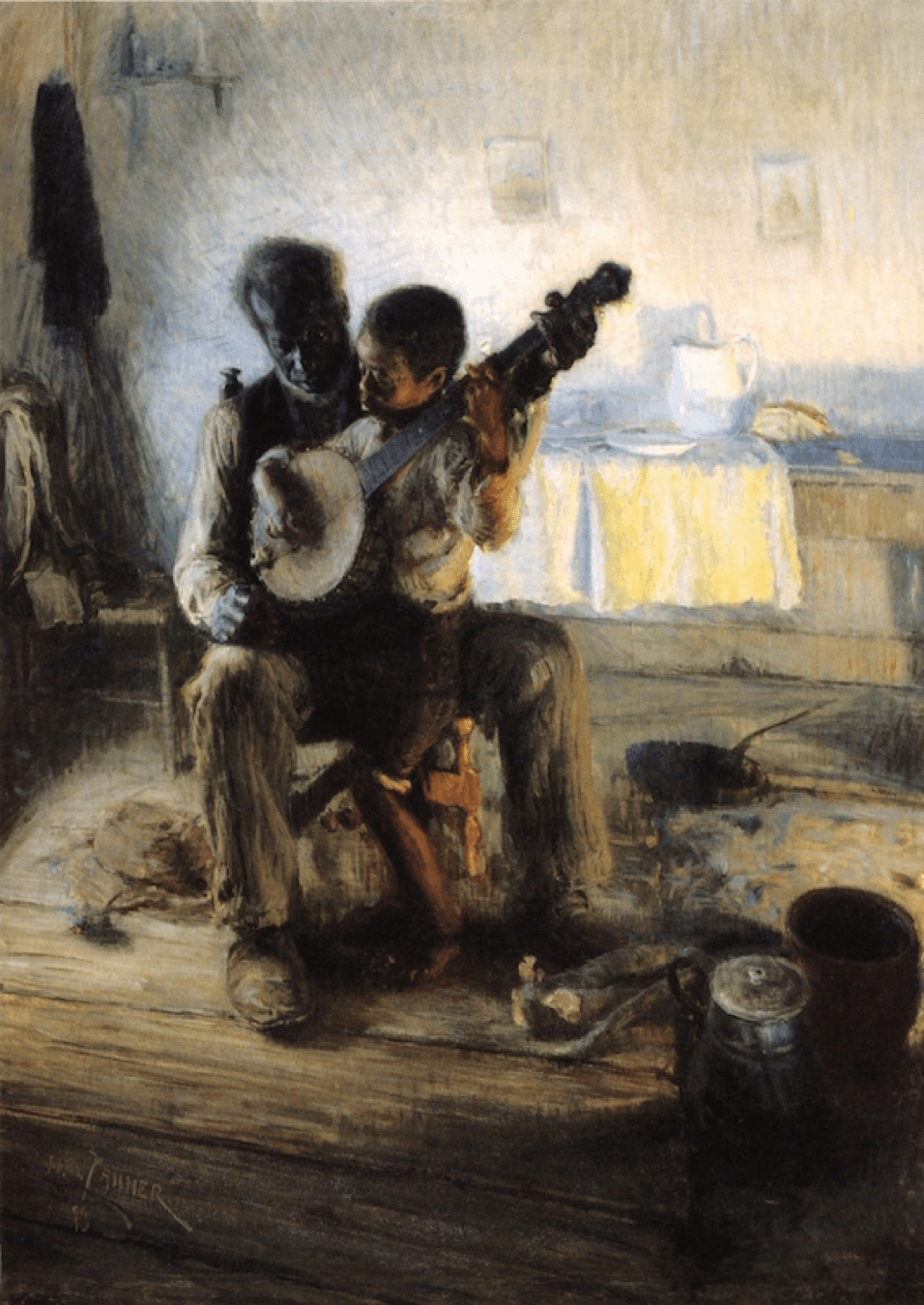
Henry Ossawa Tanner’s The Banjo Lesson and The Thankful Poor combat the dominant narratives of Western art history by depicting an African-American grandfather and grandson in humane, ordinary moments. The warm depiction of the grandfather reflects the hardships suffered by older generation: slavery, the Civil War, oppression, and racism. While the young grandchild reflects the new America, full of opportunities and advancements, education and a new beginning for all African Americans. Continue reading →

The Impact of the Cube

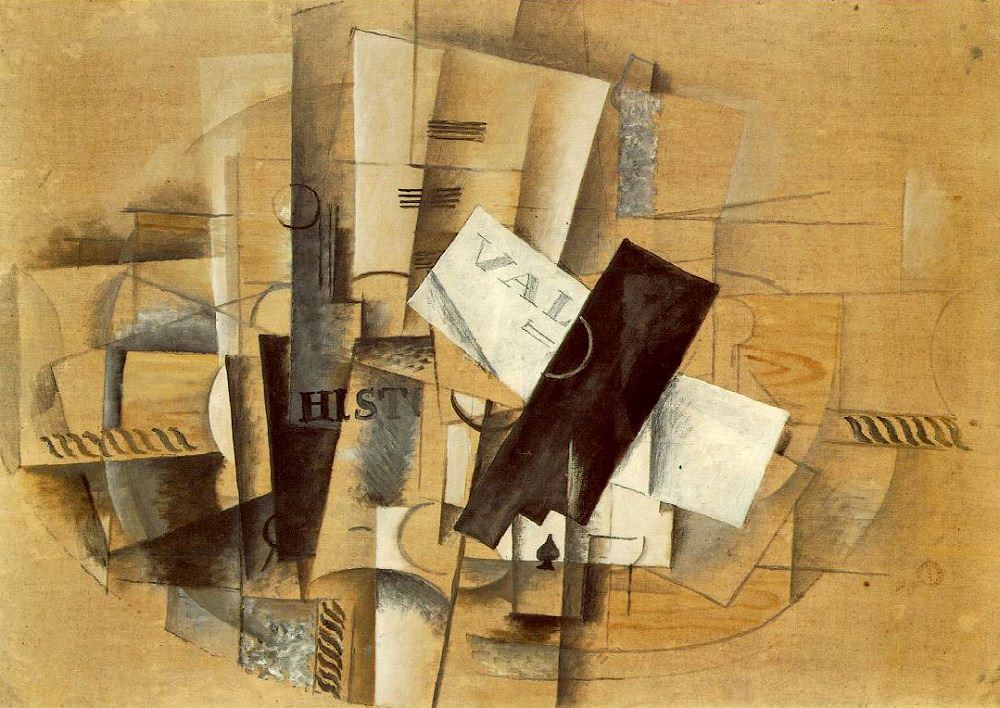
Cubism is a very important artistic style, and one of the most impactful art movements of the early twentieth century. Its unique visual style and abstract ideas inspired a plethora of future art movements such as Constructivism, Dadaism, De Stijl, Futurism, and many more. De Stijl artists in particular drew from Cubism’s adoption of pure abstraction, removal of any and all identifiable subject matter, and its mysticism about ideal geometric shapes. Continue reading →

Eastern Connecticut State University “Pulls” Out Some Good Art

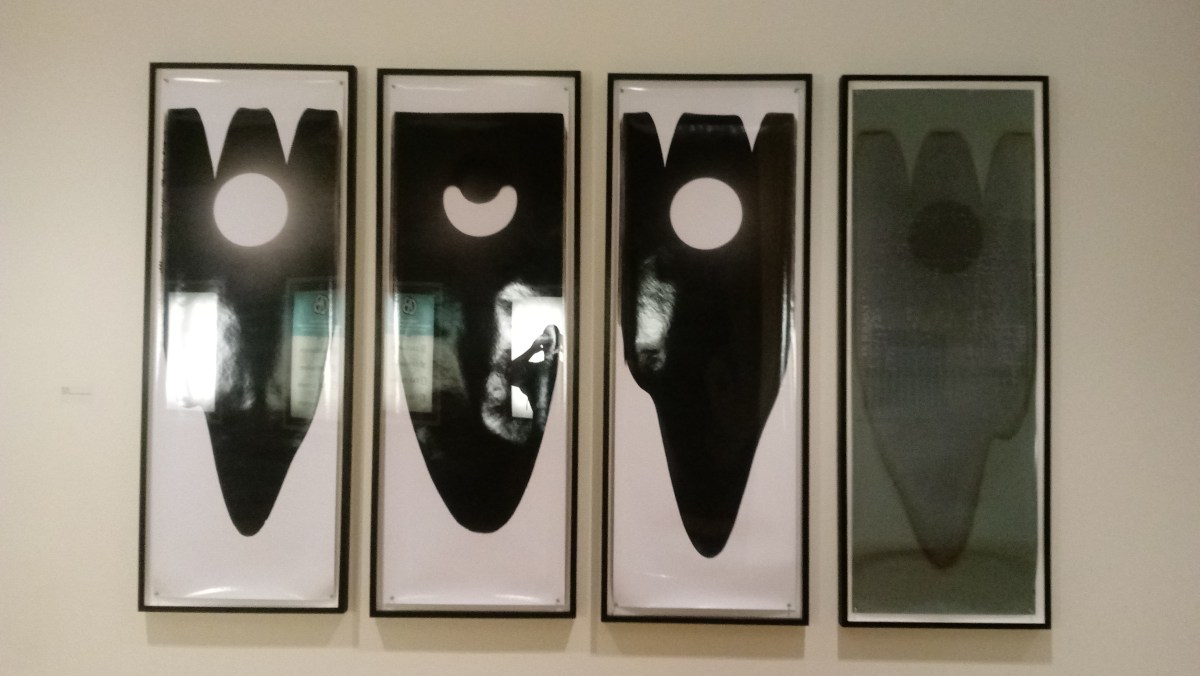
Pulls is quite a unique work by Ellen Carey who is a known abstract photographer. The shapes in this piece don’t really seem to represent any real-world object or being. Instead it seems to give off an energy similar to that of a Rorschach test image. The psychological nature of humans is to find something representational or familiar so that they may relate to the image or feel comfortable looking at it. Continue reading →

Sunday Morning’s Success

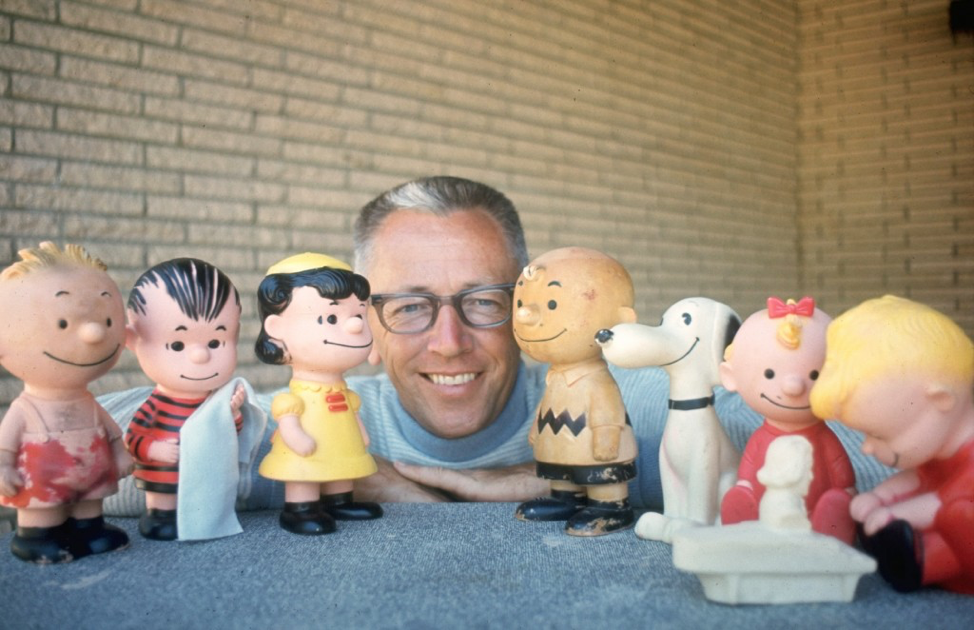
Charles Schulz is the cartoonist behind the iconic Charlie Brown and Snoopy from the comic strip Peanuts. From his childhood spent reading the funnies with this father every Sunday morning, Schulz’s love for comics remained steady throughout every hardship in his life, including death and war. From the miserable critter we know as Charlie Brown, who echoes a little bit of what we all have in us, and characters who were inspired from his own life; Schulz’s accomplished his childhood dream while leaving an unforgettable mark as a cartoonist on the world of illustration. Continue reading →