While many people engage with art in meaningful ways, one of the primary ways that the everyday person engages with art is through movies and television, and more often than not, that content is an adaption of something else. It is estimated that over fifty percent of all Hollywood films are adaptions, and they consistently tend to gross higher at the box office than original screenplays. [1] While the films tend to be more popular than their original counterparts, they can often be more controversial. While live action adaptions often strive to adapt various forms of media for financial success, when it comes to adapting comic, manga, or animated original material, they often fail to adapt the spirit and soul of the original media, leaving their adaptions to be pale imitations, leaving the everyday viewer to miss out on the original content.
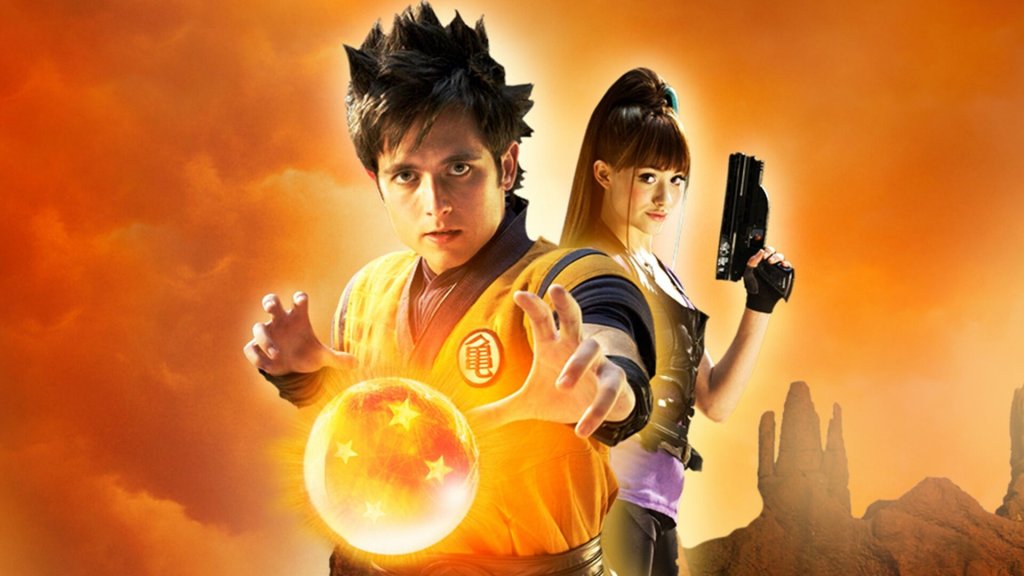
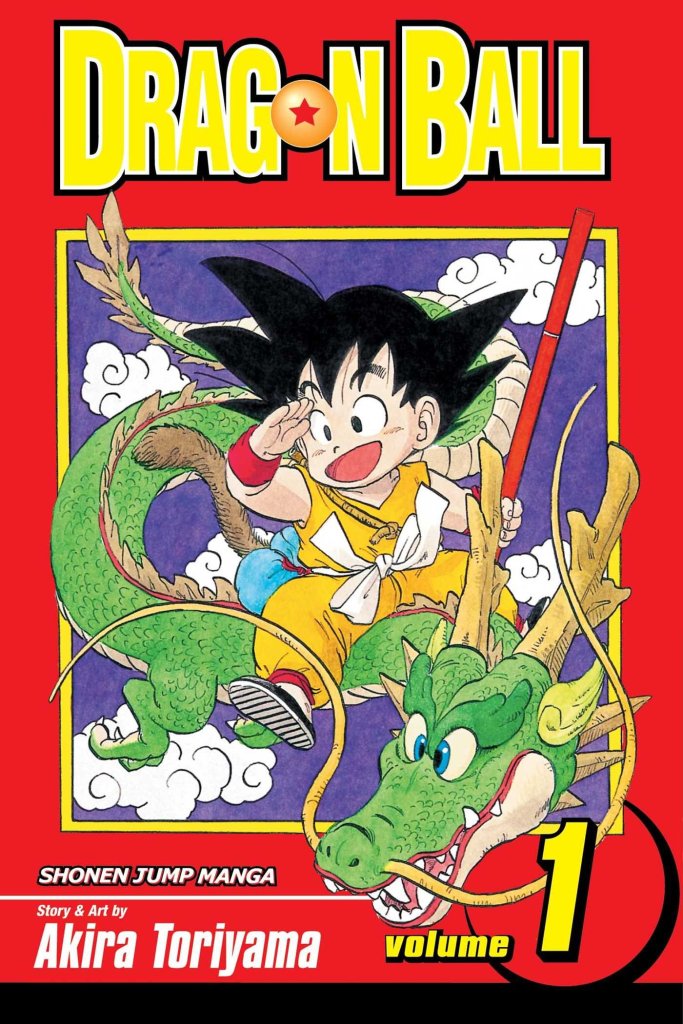

The earliest failed adaption on this list is the 2009 film Dragon Ball Evolution, directed by James Wong and written by Ben Ramsey, an adaption of the Manga Dragon Ball by Akira Toriyama, that ran from 1984-1995, that was received so poorly that the writer offered a public apology in 2016, stating “I went into the project chasing after a big payday, not as a fan of the franchise but as a businessman taking on an assignment. I have learned that when you go into a creative endeavor without passion you come out with sub-optimal results, and sometimes flat-out garbage.” [2] According to the original creator as well, the makers of the film ignored his input as well, “At the time of the Hollywood movie, the live-action Dragon Ball, the script had too little of a grasp on the world and its characteristics, and on top of that, it had a conventional content that I couldn’t find interesting, so I cautioned them, and suggested changes; but in spite of that, they seemed to have a strange confidence, and didn’t really listen to me. What came out in the end was a movie I couldn’t really call a Dragon Ball that lived up to my expectations.” [3] The characters are flat and changed in order to replicate typical high-school film drama woes, despite the fact that the protagonist Goku never went to school at all during the original series. Goku, who is so pure hearted that when hit with an attack that would use his own negative thoughts to destroy him, did absolutely nothing, is instead turned into a self-centered and vain character, not to mention that the character was cast as a white actor, despite the character, while being an alien, was always meant to be interpreted as Japanese. The film, predictably, had terrible reviews, with a current Rotten Tomatoes score of fifteen percent. Critic Steve Biodrowski of Cinefantastique offering, “This film offers further proof, as if any were needed, that Western filmmakers cannot do justice to their Eastern counterparts when it comes to retooling anime and/or Fant-Asia for Occidental consumption.” While Dragon Ball Evolution failed on almost every metric, the manga has several successful anime adaptions, that do the original source much more credit, described by Carl Kimlinger of Anime News Network as “an action-packed tale told with rare humor and something even rarer—a genuine sense of adventure.”[4] Ironically it was the failure of the live action movie that led to the return of the creator to the anime series after years of being uninvolved with his original creation, “Dragon Ball once became a thing of the past to me, but after that, I got angry about the live action movie, re-wrote an entire movie script, and now I’m complaining about the quality of the new TV anime, so it seems that DB has grown on me much that I can’t leave it alone.” [5] While the film was originally planned to be part of a series lasting from three to seven movies, the series was unsurprisingly, canceled.
In the very next year, we had the adaption of Avatar: The Last Airbender, an anime-cartoon fusion that was created by Michael Dante DiMartino and Bryan Konietzko, and produced by Nickelodeon Animation Studios. The show, while having complex themes and stories is easily summed up by it’s intro, “Water. Earth. Fire. Air. Long ago, the four nations lived together in harmony. Then, everything changed when the Fire Nation attacked. Only the Avatar, master of all four elements, could stop them, but when the world needed him most, he vanished. A hundred years passed, and my brother and I discovered the new Avatar, an Airbender named Aang. And although his Airbending skills are great, he has a lot to learn before he’s ready to save anyone. But I believe Aang can save the world.”[6] The show is often cited as pushing American Cartoons in a whole new direction in terms of storytelling and visuals. [7]As a ratings success it’s no surprise that Nickelodeon wanted to create a live action adaption of the work. It’s also no surprise that the adaption, The Last Airbender, directed and written by M. Night Shyamalan for 2010, was a massive failure, trying and failing to adapt the seven or so hours of the first season, also known as Book One, into a convoluted, hundred-minute mess of never-ending narration and bad 3-D effects. The impressive effects and visuals of the original show demonstrated impressive knowledge of various fighting styles and incorporating them into their different elemental bending styles, Tai Chi being used for Waterbending, Hung Gar for Earth Bending, Northern Shaolin for Firebending, and Ba Gua for Airbending. The film however failed in the endeavor, a review by Lindy West of The Stranger describes the film, saying that, “Airbender’s editing is clunky, its pace glacial. It feels like watching someone’s homemade tai chi highlight reel, if tai chi could be somehow racist.”[8] The fighting styles which were previously smooth and meaningful, every single move creating or redirecting the elements in creative and visually interesting ways are now slow and weak, a notably riffed on moment in the film being when a group of seven Earthbenders take a comedically long, and ridiculously over-choreographed set of movements to move one small boulder, something that, in the original show, would’ve taken one person in the span of perhaps a second. The movement no longer contributes to the actual power of the move, instead simply being martial arts for the sake of martial arts.
Despite the claims of being “the most culturally diverse tentpole movies ever released, period.” By Shyamalan, the film was called to be boycotted by multiple groups, including Saving the World with Postage, Racebending.com[9], and by the Media Action Network for Asian Americans after the casting was announced in December of 2008, revealing that the main characters that were meant to be Tibetan/Hindu and Inuit respectively were instead casted by white actors, and that the fire nation, the main villains of the world, who were depicted with cultural mixes of Chinese and Japanese culture, were instead casted as Indian and Iranian actors. Any depth and culture of the original races of the story were virtually erased, and despite the fact that the original source material had voice acting, several of the names of the characters, even including the titular character, The Last Airbender, Aang, were butchered, M. Night Shyamalan ironically stating the characters Asian origins as the reason, “For me, the whole point of making the adaptation was to ground it deeper in reality. So, I pronounced the names as Asians would. It’s just impossible to pronounce Aang the way it is used in the series. It’s incorrect! I can’t do it. So, I just pronounced it correctly.”[10] The film, scoring an impressive five percent on Rotten Tomatoes, was originally planned to be part of a trilogy of films, matching with the three seasons of the show. Unlike in Dragon Ball Evolution, Shyamalan refused to take any real responsibility for the failures of the film, stating that he treated the film with only the utmost respect and dedication. [11] The Last Airbender remains the director and writer’s lowest rated movie. Despite the failure of the film, Netflix is attempting another live action adaption of the series, this time in the form of a television series. While the series has released it’s casting which is much more faithful to the original characters, the creators of the original series, who were originally involved with the project, left in 2020, stating creative differences, and that “What I can be certain about is that whatever version ends up on-screen, it will not be what Bryan and I had envisioned or intended to make,” [12] It seems like many of Netflix’s cartoon-anime adaptions, the series is likely to follow many of the missteps of its movie predecessor.
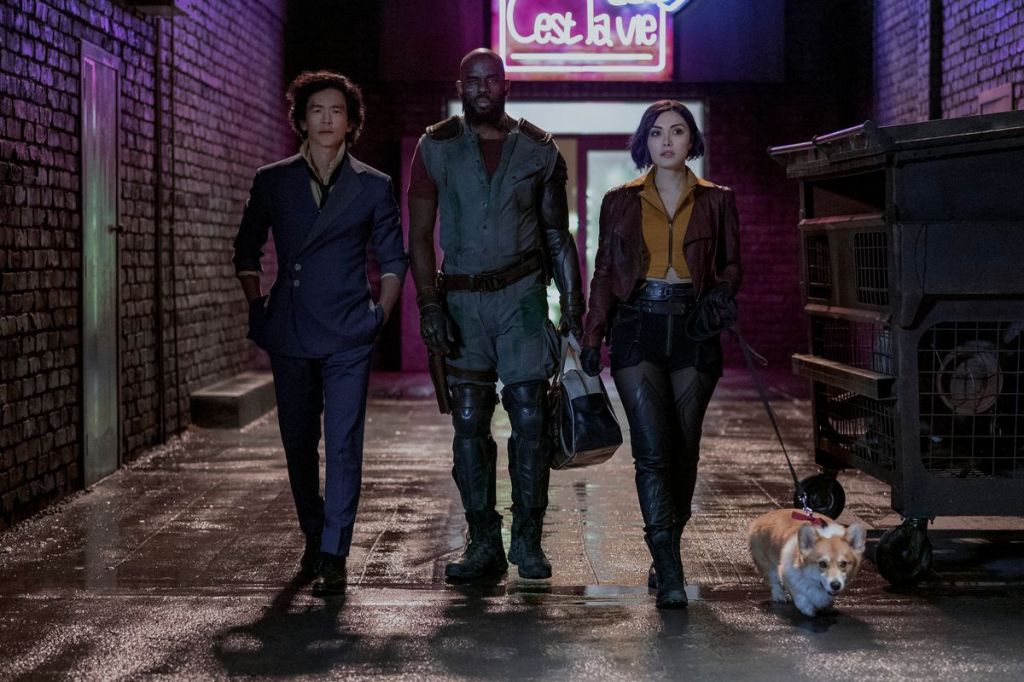
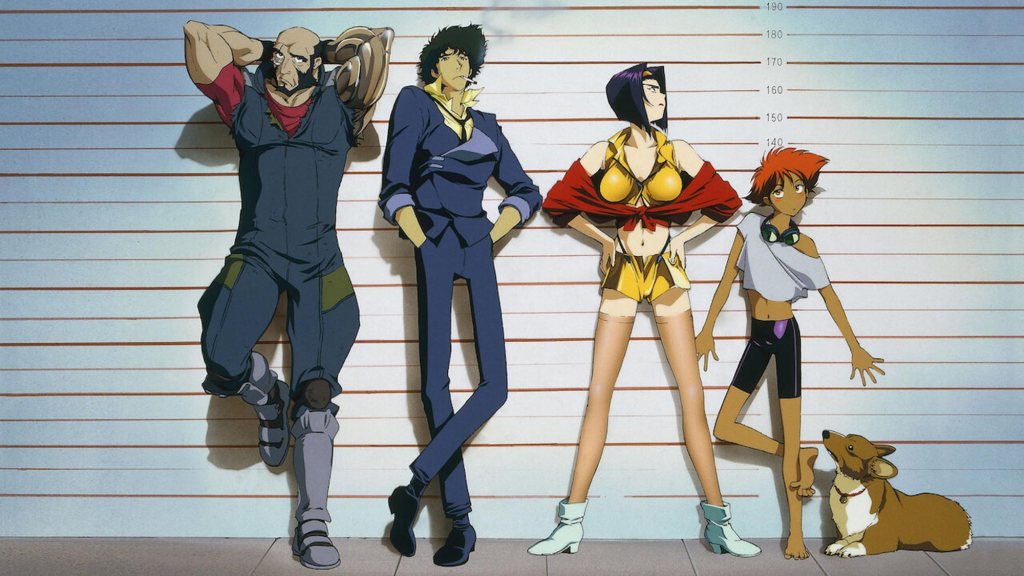
Another unfortunate sign of the likely issues of the upcoming Netflix adaption of Avatar: The Last Airbender, is the recent release and cancellation of their adaption of the original anime Cowboy Bebop, created by Hajime Yatate and animated by Studio Sunrise in 1998. While the show, developed by Christopher Yost in 2021 for Netflix attempted to follow the anime, much more closely than many adaptions, the series still failed, and the second season was cancelled less than three weeks after the first season’s release, the general consensus of the show being, “what was the point?” [13] Reviewer Angie Han of The Hollywood Reporter stating that “The series’ biggest sin, however, is that even as it dutifully retraces the steps of its predecessor, it captures none of the magic. The zippy pacing has turned leaden, the sharp visuals reduced to muddy CG, the playful humor translated as phony laughter, the lived-in grittiness replaced with shoddy-looking sets. It’s a Cowboy Bebop too fixated on checking off boxes to consider writing its own list.”
None of this is more obvious than with the intro itself, which while it dutifully tried to use both the same music and the same visuals, what previously came off as cool and visually interesting now looks goofy and fan made. While the intro slowly shifts to the show’s own visuals, the change is nearly jarring, rapidly shifting from monochrome to full color visuals, leaving the intro to look like it was created by two completely different studios. [14] Moments in the show that worked in the anime instead seem extremely gimmicky and strange, the actors often being able to replicate the animated personalities of their characters. Sherin Nicole of Geek Girl Riot stating that “The original Bebop is improvisational and a little bit abstract. It has movement and flow and it feels alive. This Netflix adaptation is like a robot playing jazz. All the notes are there, more or less, but they’re not played with feeling.” [15] There is no real fundamental misunderstanding with this show like the others, the cast was, with one exception, all correctly cast, the visuals and plots were almost beat for beat pulled from the anime. So, if the show was, in all technicalities, correctly adapted, then why did it fail. The real problem is that Cowboy Bebop simply shouldn’t be live action. Even if the previously mentioned movies hadn’t had their slew of other issues, they would have likely sat in the same position as Cowboy Bebop, which is currently sitting with a forty-six percent rating on rotten tomatoes, not laughably bad or drastically unwatchable, just not worth the time or effort. Another mediocre adaption in a sea of watchable content.
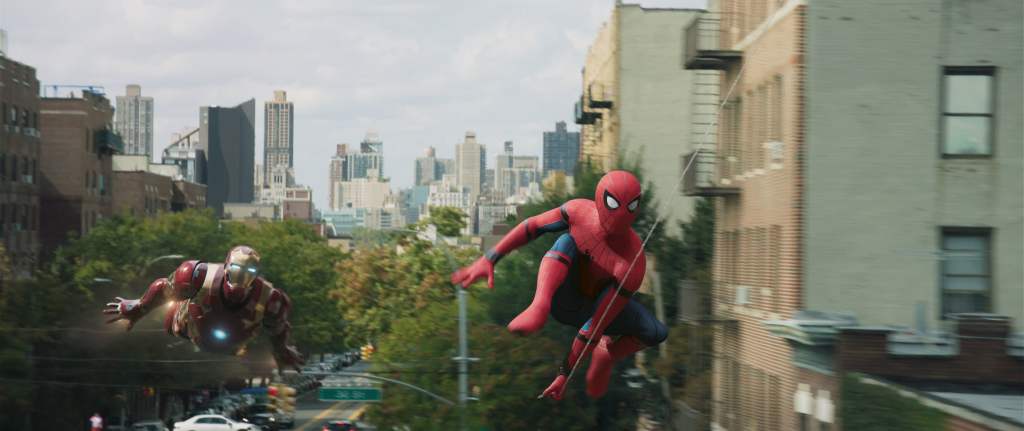
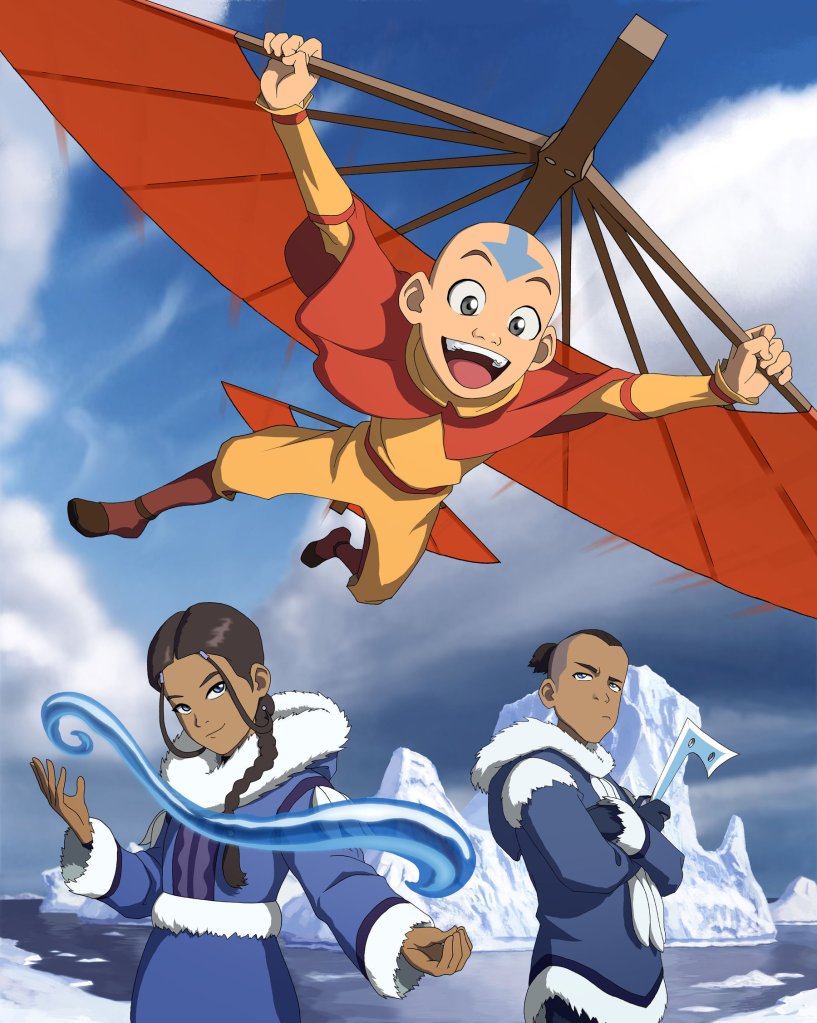
It’s hard to call the next set of film and television adaptions a failure, when all things considered, these adaptions have done incredibly well, with critics, audiences, and the box office. Three of the films in this series are in the top ten of top lifetime grosses. Out of the forty-three pieces of media in this series, only three have ‘splatted’ on Rotten Tomatoes, two of which are still rated well enough by audiences to be considered popular by everyday audiences. [16] So, why is the Marvel Cinematic Universe going to be considered a bad adaption for the sake of this collection?
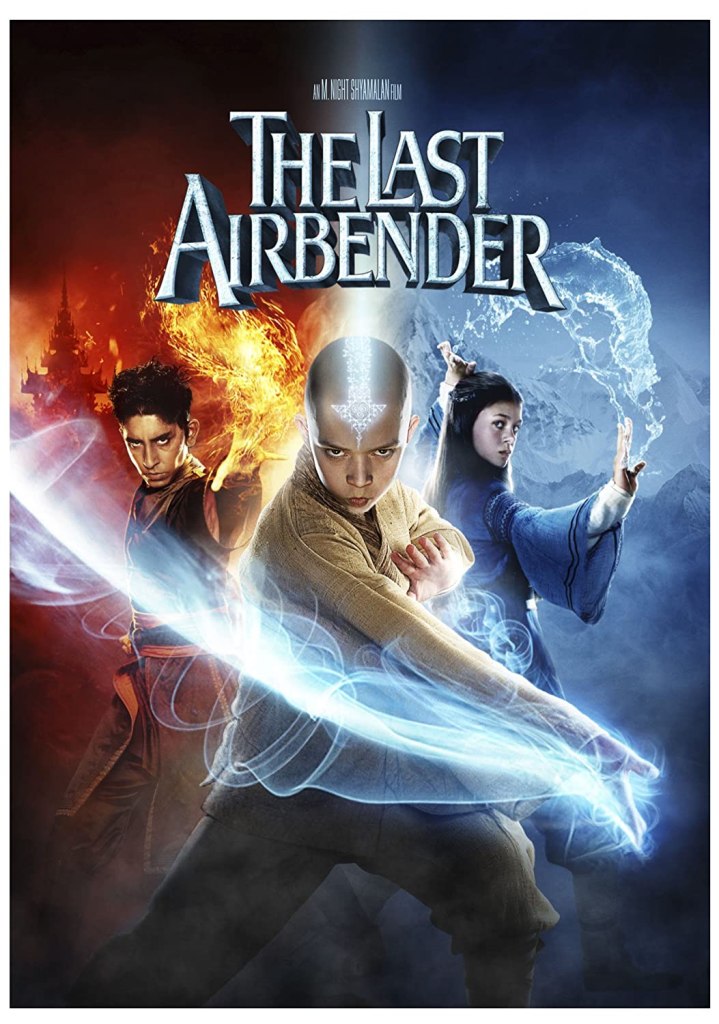
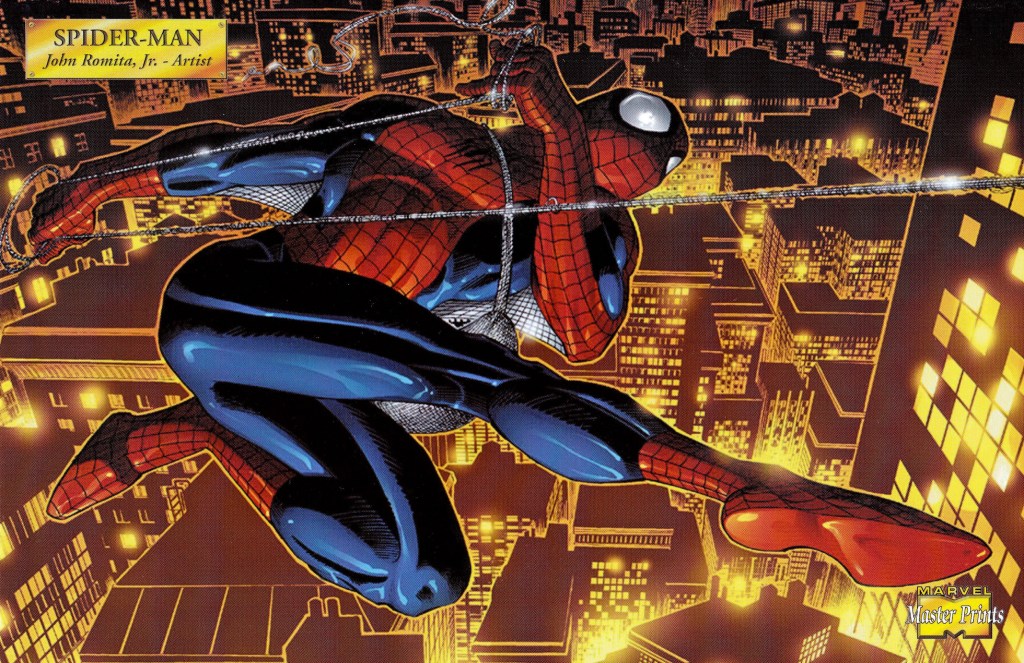
If you haven’t read comic books, your idea of comic books is probably slightly defined, thick black line art, and neon coloring dots. When Marvel Comics was created in the 1930’s, this comparison would be correct. While comic book visuals have greatly improved over the years, one thing is still true, comic books have a gorgeous use of true black to make their pages pop. While using true black is usually frowned upon in art, seeing as true black never really happens in nature, in comic books, with extremely small exceptions, the comics are lined and shaded with black. However, with the exceptions of Iron Man, Iron Man II, and Thor, Marvel movies don’t even contain true black. After the company switched from film to digital cameras, the films have looked, in one word, dull, thanks to the introduction of digital color grading. Scenes that would have popped in the comics look monotonous and grey.[17] While that isn’t to say that the MCU doesn’t have any good visuals, but they are nowhere on the scale of the comics, because the MCU is meant to be grounded in the real world. Not our world necessarily, but the MCU demands looking like The real world, and apparently in the real world it means dull colors and streamlined costumes that seem like more what “real people” would wear rather than a gaudy scaled suit or giant flowing capes and tights. For all that the MCU tries to be otherworldly, magical, and alien, they refuse to be anything other than ordinary in terms of visuals, other than the occasional interesting use of CGI, often used in series for Thor, Doctor Strange, and Guardians of the Galaxy.
The MCU also struggles with adapting the sheer amount of source material it contains, especially as it also tries to implement content from both the main comic universe, and the Ultimate comic universe, which spanned from 2000-2015, providing the much more modern layout that the MCU tends to use, along with several of its characterization changes. However, a big problem with the MCU, is its rush to get from the original characters of the sixties, to characters who were only created in the last decade, when they barely have any of the original characters introduced in the first place, and have them set up in a way that makes it hard to use the characters in their original respects at all. The upcoming Ms. Marvel show has completely changed the main characters origin and powers, due to the fact that the MCU failed in introducing the Inhumans. Rather than not using a character they can’t properly introduce, they changed the character completely. The MCU already did something similar with their interpretation of Spider-Man, although many people don’t realize it.
Spider-Man, in popular culture, is a nerdy teenaged superhero bitten by a radioactive spider, lives with his Aunt May, who dates a girl named MJ and fights villains in silly costumes while cracking bad jokes. It’s approximately the only thing the MCU actually uses from the character Peter Parker, the rest is instead stolen from another character, the Spider-Man known as Miles Morales. Peter Parker spends most of his canonical, public high school career in Queens getting into petty fights with Flash Thompson over Liz Allen, harassing his villains with his snarky attitude, trying desperately to earn money for his now extremely poor household by working for the Daily Bugle newspaper while his Aunt suffers from constant medical issues, spending every other issue having petty fights with the also teenaged Johnny Storm of the Fantastic Four, dating Betty Brant of the Daily Bugle until he graduates high school approximately three years after being introduced in Amazing Spider-Man #28, until Betty is suddenly proposed to by Peter’s coworker Ned Leeds, who later turns out to be a wifebeater, and the supervillain The Hobgoblin. This doesn’t sound much like the plot of MCU Spider-Man does it? Miles Morales however, who goes to a private school in Brooklyn, who is best friends with an overweight Asian kid named Ganke Lee, who has a love for Legos and does his best to assist Miles with Super-heroing, acting like his backup support both in his personal life, and assisting Miles technologically. Miles later joins the ultimate universe version of the Avengers, known as the Ultimates after that universes equivalent of a civil war, and later ends up dating a young girl who’s the granddaughter of the supervillain The Vulture – well you get the point. [18]
There’s the talk about not wanting to kill Uncle Ben again, not wanting to have the same tale of Peter Parker’s origin story over and over again, and that’s fine. But the MCU had well over sixty years of comic book material to use, from multiple universes and dozens of series. Instead, they chose to steal the story of the one black Spider-Man to make their Peter Parker seem more diverse, while changing the name of his love interest because they were too afraid to actually make Mary Jane Watson a woman of color. They even included Miles’s Uncle Aaron in the movie committing crime, but not even a single named mention of his deceased Uncle Ben, who has always been the basis of Peter’s sense of morals and obligation.
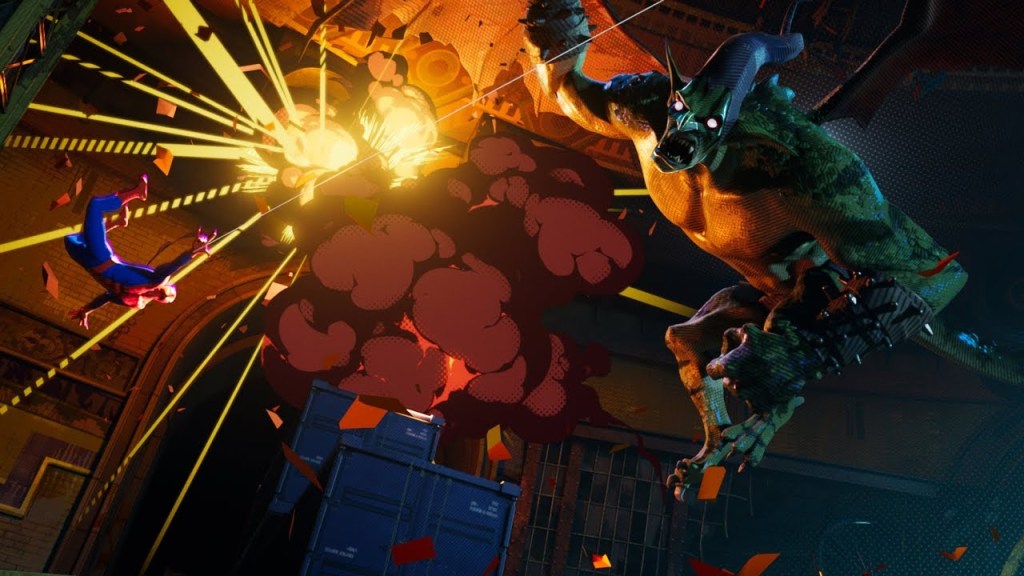
Not only does this affect everything about Peter’s journey, leaving his moral figure to instead become Tony Stark, it also influenced Miles’s debut animated movie, Spider-Man: Into the Spider-Verse 2018, according to Director Peter Ramsey, Spider-Man Homecoming directly led to both the change in Ned’s character design, but also his very short appearance in the film, despite being a major part of Miles’s journey in the comics. [19] [20] But even while ITSV had to work around the MCU, it still managed to create a story that both utilized the original comic characters, but also changed and added to them to make them even more fully developed characters than they were originally, giving Miles an interest in art, Gwen an interest in dance that became a major part of her fighting style in the movie, and letting Peter Parker develop and grow up in a way that his other adaptions simply never let him do, taking advantage of his comic book stories from Amazing Spider-Man Volume 2 where he served as a, not necessarily professional, but well meaning teacher, who while he didn’t have kids of his own and was struggling with his relationship with his wife Mary Jane, cared deeply about the kids in his care and would do anything to help them. ITSV manages to not only tell a story in a way that is good to the characters, it also stylistically uses elements from the comics such as its infamous Kirby Dots, while also developing its own visual style, not just to better emulate the comics that the stories originated from, but to also push 3-D animation in a direction its never gone before, inventive in both the genre, and the industry itself. [21]
An adaption shouldn’t just be about taking a story and recreating it in another medium, or trying to take a piece of something and gentrify it to create something popular, and that’s where live action adaptions always fail. While live action adaptions always must adapt themselves to fit the everyday audience that the box office is bound to, animated features allow for not only experimentation, but a greater allowance into what is or isn’t possible in a way that live action, even with the assistance of CGI, just can’t help to match.
[1] Kuhn, A., & Westwell, G. (2012). “Adaptation.” In A Dictionary of Film Studies. Oxford University Press. Retrieved 27 Mar. 2017, https://researchguides.dartmouth.edu/filmstudies/adaptations
[2] Wade Sheridan, “Dragonball Evolution’ writer apologizes for failed adaptation: ‘I dropped the dragon ball’”, United Press International, May 4th, 2016, https://www.upi.com/Entertainment_News/Movies/2016/05/04/Dragonball-Evolution-writer-apologizes-for-failed-adaptation-I-dropped-the-dragon-ball/8611462366328/
[3] Anna Lindwasser, “’Dragonball Evolution’ Might be the Worst Anime Adaption Ever Made”, Anime Underground, Ranker.com, September 23rd, 2021, https://www.ranker.com/list/dragon-ball-evolution-terrible/anna-lindwasser
[4] Carl Kimlinger, “Dragon Ball – DVD – Season 2 Uncut Set – Review”, Anime News Network, December 14th, 2009, https://www.animenewsnetwork.com/review/dragon-ball/dvd-season-2
[5] Kofi Outlaw, “’Dragonball: Evolution’ Helped Revive the ‘Dragon Ball’ Anime”, Comicbook.com, Popculture.com, January 10th, 2018, https://comicbook.com/anime/news/dragonball-evolution-akira-toriyama-dragon-ball-super/
[6] Avatar the Last Airbender, created by Michael Dante DiMartino & Bryan Konietzko, 2005-2008, Nickelodeon Animation Studios.
[7] Corridor Crew, “Animators React to Bad & Great Cartoons 3”, Corridor Crew, Youtube.com, April 17th, 2021, https://youtu.be/kvfuVXmZZQ4?t=281
[8] Lindy West, “The Last Airbender: It’s Like Tai Chi Meets Racism!”, The Stranger, Index Newspapers LLC, July 1st, 2010, https://www.thestranger.com/seattle/the-last-airbender-its-like-tai-chi-meets-racism/Content?oid=4381522
[9] Adrian Haley, “The Last Airbender”, Racebending in Cinema Blog, Updated on July 5th, 2021, https://www.racebending.com/the-last-airbender/
[10] Scott Thill, “Is This The Last Airbender? M. Night Shyamalan Prays it Won’t Be”, Wired.com, July 1st, 2010, https://www.wired.com/2010/07/shyamalan-airbender/
[11] Lane Brown, “Vulture Reads M. Night his Last Airbender Reviews”, Vulture, Vox Media Network, July 1st, 2010, https://www.vulture.com/2010/07/m_night_shyamalan_on_the_last.html
[12] Rappler, “’Avatar: The Last Airbender’ creators quit Netflix adaption over ‘creative differences’”, Rappler.com, August 13th, 2020, https://www.rappler.com/entertainment/series/avatar-the-last-airbender-creators-quit-netflix-adaptation-creative-differences/
[13] Angie Han, “Netflix’s ‘Cowboy Bebop’: TV Review”, The Hollywood Reporter, Penske Media Corporation, November 15th, 2021, https://www.hollywoodreporter.com/tv/tv-reviews/cowboy-bebop-review-1235047314/
[14] PX Tech, “COWBOY BEBOP OPENING COMPARISON (Netflix v. Original), PX Tech, Youtube.com, September 25th, 2021, https://www.youtube.com/watch?v=-8m8xC8Gswo&t=2s
[15] Alex Bear, “Geek Girl Riot – Cowboy Bebop, The Wheel of Time”, Idobi.com, November 17th, 2021, https://idobi.com/podcast/cowboy-bebop-the-wheel-of-time/
[16] “Rotten Tomatoes: Marvel Cinematic Universe”, Rotten Tomatoes, Fandango, accessed December 11th, 2021, https://www.rottentomatoes.com/franchise/marvel_cinematic_universe
[17] Patrick (H) Willems, “Why Do Marvel’s Movies Look Kind of Ugly? (video essay), Patrick (H) Willems, Youtube.com, November 16th, 2016, https://youtu.be/hpWYtXtmEFQ
[18] Princess Weekes, “How Similar is Marvel Cinematic Universe Spider-man to Miles Morales”, The Mary Sue, August 26th, 2021, https://www.themarysue.com/marvel-cinematic-spider-man-miles-morales-similarities/
[19] Nobelle Borines, “Spider-Man: Homecoming Forced Into The Spider-Verse to Reduce Ganke’s Role”, Epicstream, Gfinity PLC, September 12th, 2020, https://epicstream.com/article/spider-man-homecoming-forced-into-the-spider-verse-to-reduce-gankes-role
[20] Jax Motes, “Art Reveals Ganke Lee Originally Played A Much Larger Role In ‘Spider-Man: Into the Spider-Verse’”, ScienceFiction, January 7th, 2019, https://sciencefiction.com/2019/01/07/art-reveals-ganke-lee-originally-played-much-larger-role-spider-man-spider-verse/
[21] Robbie Janney, “How Animators Turned a Comic Book World into the “Spider-Verse”, Shutterstock Inc, April 4th, 2019, https://www.shutterstock.com/blog/animators-comic-book-world-spider-verse
Sources
‘Avatar: The Last Airbender’ creators quit Netflix adaption over ‘creative differences’. (2020, August 13). Retrieved from Rappler: https://www.rappler.com/entertainment/series/avatar-the-last-airbender-creators-quit-netflix-adaptation-creative-differences/
Bear, A. (2021, November 17). Geek Girl Riot – Cowboy Bebop, The Wheel of Time. Retrieved from Idobi.com: https://idobi.com/podcast/cowboy-bebop-the-wheel-of-time/
Borines, N. (2020, September 12). Spider-Man: Homecoming Forced Into The Spider-Verse to Reduce Ganke’s Role. Retrieved from Epicstream: https://epicstream.com/article/spider-man-homecoming-forced-into-the-spider-verse-to-reduce-gankes-role
Brown, L. (2010, July 1). Vulture Reads M. Night his Last Airbender Reviews. Retrieved from Vulture: https://www.vulture.com/2010/07/m_night_shyamalan_on_the_last.html
Crew, C. (2021, April 17). Animators React to Bad & Great Cartoons 3. Retrieved from Youtube.com: https://www.youtube.com/watch?t=281&v=kvfuVXmZZQ4&feature=youtu.be
Film Studies. (2021, December 11). Retrieved from Dartmouth Library: https://researchguides.dartmouth.edu/filmstudies/adaptations
Haley, A. (2021, July 5). The Last Airbender. Retrieved from Racebending: https://www.racebending.com/the-last-airbender/
Han, A. (2021, November 15). Netflix’s ‘Cowboy Bebop’: TV Review. Retrieved from The Hollywood Reporter: https://www.hollywoodreporter.com/tv/tv-reviews/cowboy-bebop-review-1235047314/
Janney, R. (2019, April 4). How Animators Turned a Comic Book World into the “Spider-Verse”. Retrieved from Shutterstock: https://www.shutterstock.com/blog/animators-comic-book-world-spider-verse
Kimlinger, C. (2009, December 14). Dragon Ball – DVD – Season 2 Uncut Set – Review. Retrieved from Anime News Network: https://www.animenewsnetwork.com/review/dragon-ball/dvd-season-2
Konietzko, M. D. (2005-2008). Avatar: The Last Airbender. USA: Nickelodeon Animation Studios.
Lindwasser, A. (2021, September 23). ‘Dragonball Evolution’ Might be the Worst Anime Adaption Ever Made. Retrieved from Ranker: https://www.ranker.com/list/dragon-ball-evolution-terrible/anna-lindwasser
Motes, J. (2019, January 7). Art Reveals Ganke Lee Originally Played A Much Larger Role In ‘Spider-Man: Into The Spider-Verse’. Retrieved from ScienceFiction: https://sciencefiction.com/2019/01/07/art-reveals-ganke-lee-originally-played-much-larger-role-spider-man-spider-verse/
Outlaw, K. (2018, January 10). ‘Dragonball: Evolution’ Helped Revive the ‘Dragon Ball’ Anime. Retrieved from Comicbook: https://comicbook.com/anime/news/dragonball-evolution-akira-toriyama-dragon-ball-super/
Rotten Tomatoes: Marvel Cinematic Universe. (2021, December 11). Retrieved from Rotten Tomatoes: https://www.rottentomatoes.com/franchise/marvel_cinematic_universe
Sheridan, W. (2016, May 4). ‘Dragonball Evolution’ writer apologizes for failed adaption: ‘I dropped the dragon ball’. Retrieved from United Press International: https://www.upi.com/Entertainment_News/Movies/2016/05/04/Dragonball-Evolution-writer-apologizes-for-failed-adaptation-I-dropped-the-dragon-ball/8611462366328/
Tech, P. (2021, September 25). COWBOY BEBOP OPENING COMPARISON (Netflix v. Original). Retrieved from Youtube.com: https://www.youtube.com/watch?v=-8m8xC8Gswo&t=2s
Thill, S. (2010, July 1). Is this the Last Airbender? M. Night Shyamalan Prays it Won’t Be. Retrieved from Wired: https://www.wired.com/2010/07/shyamalan-airbender/
Weekes, P. (2021, August 26). How Similar is Marvel Cinematic Universe Spider-Man to Miles Morales. Retrieved from The Mary Sue: https://www.themarysue.com/marvel-cinematic-spider-man-miles-morales-similarities/
West, L. (2010, July 1). The Last Airbender: It’s Like Tai Chi Meets Racism! Retrieved from The Stranger: https://www.thestranger.com/seattle/the-last-airbender-its-like-tai-chi-meets-racism/Content?oid=4381522
Willems, P. H. (2016, November 16). Why Do Marvel’s Movies Look Kind of Ugly? Retrieved from Youtube.com: https://www.youtube.com/watch?v=hpWYtXtmEFQ&t=411s
 Issues in Contemporary Art